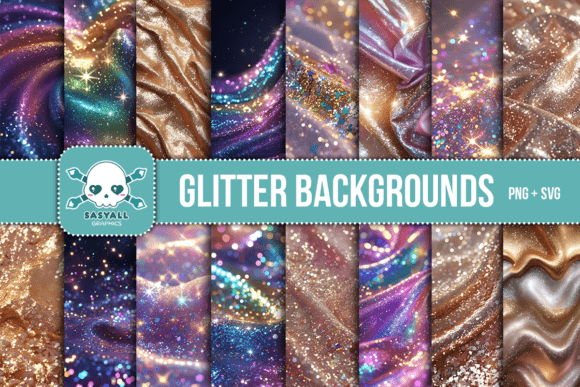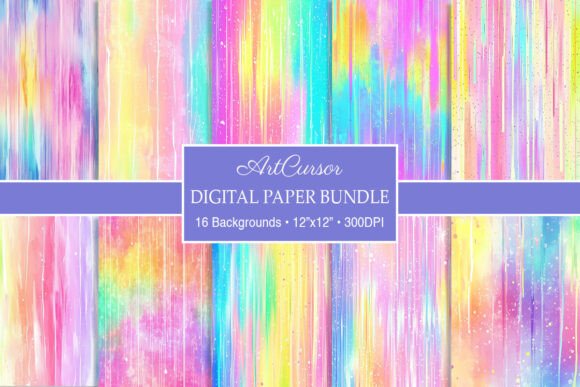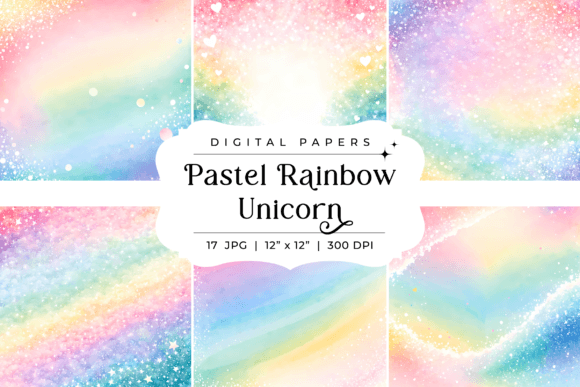
Captivating Rainbow Holographic Glitter Backgrounds
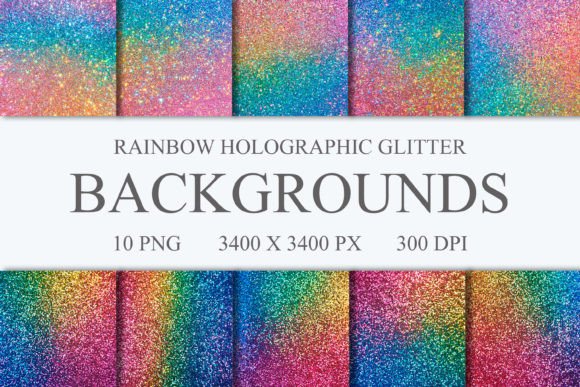
In the crowded landscape of digital design, capturing a viewer's attention in the first three seconds is the difference between a scroll-past and a click-through. For designers, entrepreneurs, and content creators, finding design assets that offer both versatility and high impact is crucial. This is where Rainbow Holographic Glitter Backgrounds step into the spotlight. These are not just static images; they are vibrant, dynamic textures that mimic the iridescent shimmer of physical holographic foil, combined with the sparkling depth of high-quality glitter.
When we talk about the visual personality of these backgrounds, we are describing a specific aesthetic that bridges the gap between futuristic technology and playful luxury. The "holographic" aspect refers to the prismatic color shifts—think soft blends of pink, cyan, gold, and violet that change based on the angle of light. The "glitter" element adds a granular, textured noise that gives the image a tactile, physical feel. Together, they create a backdrop that feels premium, energetic, and undeniably eye-catching. This specific style aligns perfectly with current modern typography trends that favor bold, immersive visuals over flat, minimalist designs.
Strategic Applications for Visual Branding
Understanding where to deploy these textures is just as important as the assets themselves. While you might be tempted to use them everywhere, strategic placement yields the best results for brand identity and audience engagement. The versatility of this digital download makes it a powerhouse for various mediums.
Digital and Social Media Presence
For social media managers and content creators, the algorithm often favors bright, high-contrast imagery. These backgrounds serve as the perfect stage for Instagram posts, Facebook banners, or TikTok overlays. When you place a sans serif font in bold white or deep black over a Rainbow Holographic Glitter Background, the text remains legible while the post gains an immediate "thumb-stopping" quality. It is particularly effective for announcements, sales, or "link in bio" calls to action where you want to generate excitement.
E-Commerce and Packaging Mockups
For small business owners and those involved in packaging design, presentation is everything. If you are selling beauty products, tech accessories, or party supplies, using these backgrounds for product mockups can elevate the perceived value of your goods. The high 300 DPI resolution ensures that when you print these files, the glitter doesn't turn into muddy pixels. Instead, it retains its crisp, sparkling detail, making your product photos look professional and polished.
Editorial and Web Design
In editorial design, such as magazine covers or blog headers, texture adds depth. A Rainbow Holographic Glitter Background can break up the monotony of standard white space, offering a burst of energy that fits niches like fashion, festival planning, or beauty blogging. On the web, these files work beautifully as hero images or section dividers, guiding the user's eye down the page through visual hierarchy.
The Psychology of Sparkle: Influence on Brand Perception
Color and texture trigger psychological responses. Holographic and glitter textures are historically associated with celebration, magic, and futurism. By incorporating these into your logo design elements or marketing collateral, you are subconsciously signaling to your audience that your brand is modern, fun, and forward-thinking. However, context is key. While a script font or handwritten font over a glitter background works well for a boutique bakery or a wedding invite, it might feel out of place for a law firm or a corporate banking app. This is where evaluating project fit becomes a practical skill.
The visual hierarchy is also heavily influenced by contrast. Because these backgrounds are complex and colorful, they demand a foreground element that is clean and bold. This is why pairing them with a display font that has strong weight and clear lines is often the best approach. The complexity of the background makes the simplicity of the text stand out, creating a balanced composition that is easy to read.
Practical Integration: Working with the Digital Files
This collection provides 10 PNG files, which is a standard format for maintaining transparency and high quality. However, working with high-resolution textures requires a basic understanding of file management and color theory.
Resolution and Scaling
Each file is optimized at 11.33 x 11.33 inches (3400 x 3400 px). This square format is ideal for social media grids (like Instagram) or as reusable tiles in larger print layouts. Because the resolution is 300 DPI, you have significant flexibility. You can scale the image down for web use without losing quality, or print it at full size for posters and flyers. However, if you attempt to scale it significantly larger than the native dimensions, you will begin to see pixelation. Always design within the bounds of the asset to maintain a professional finish.
Color Variance and Calibration
The prompt notes that colors may vary from screen to printer. This is a reality of digital design. Monitors use RGB (light) to display color, while printers use CMYK (ink). Holographic colors, specifically neons and iridescent shades, are notoriously difficult to reproduce in CMYK printing. Before sending a final design to a commercial printer, it is wise to run a test proof. On screen, ensure your monitor is calibrated so the "rainbow" effect looks accurate to your creative vision.
Font Pairing Strategies
To maximize the utility of these backgrounds, consider how they interact with different typeface families:
- Serif Fonts: Using a serif font can create a "futuristic retro" vibe, mixing classic typography styles with modern, sci-fi textures. This works well for editorial headers.
- Sans Serif Fonts: A clean, geometric sans serif font ensures maximum readability. This is the safest and often most professional choice for business cards or web UI overlays.
- Creative & Script Fonts: For personal projects, invitations, or artistic posters, a flowing script font adds elegance. Just ensure the line weight is thick enough so the "glitter" doesn't break up the letterforms.
Commercial Use and Licensing Considerations
For designers and entrepreneurs, the utility of a premium font or asset is defined by its license. Since this is a digital download, it is vital to understand what constitutes "personal" versus "commercial" use. Generally, assets like these are royalty-free, meaning you pay once and can use them multiple times for client work, merchandise, or digital products without paying a recurring fee.
However, you cannot resell the raw files themselves. For example, you can sell a T-shirt design that uses the background, but you cannot sell the background file as part of a "texture pack" to other designers. This protects the original creator's work while empowering you to build your own brand identity and product lines.
Conclusion
The Rainbow Holographic Glitter Backgrounds collection is more than just a set of pretty pictures; it is a versatile toolkit for visual communication. Whether you are designing a header for a tech blog, packaging for a cosmetics line, or a flyer for a music festival, these design assets provide the necessary sparkle to elevate your work. By pairing them with the right typography and respecting the technical specifications of the files, you can create designs that are not only beautiful but also effective in engaging your audience. Happy creating and thanks for visiting!