Capture the Timeless Beauty of Easter with Vintage Easter Parchment Backgrounds
Understanding the Visual Language of Vintage Easter Parchment
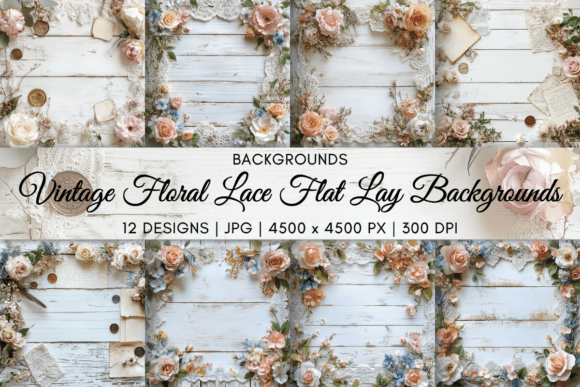
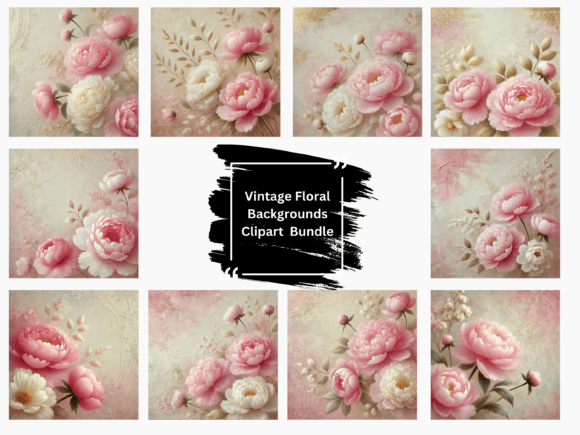
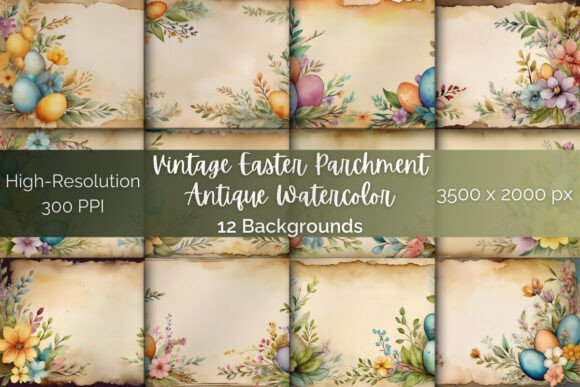
The aesthetic of Vintage Easter Parchment – Antique Watercolor Backgrounds is defined by a distinct convergence of digital precision and organic decay. Visually, these backgrounds are not merely flat colors but complex textures that mimic the physical properties of aged paper and watercolor art. The foundation of the design relies on aged parchment textures, characterized by soft, uneven discoloration that suggests the passage of time. This is paired with faded floral edges, which provide a delicate botanical frame without overwhelming the central workspace. The soft vintage watercolor washes offer a fluid, translucent quality that standard digital graphics often lack, creating a warm, nostalgic atmosphere that feels hand-crafted rather than manufactured.
From a design perspective, this collection functions as a high-quality design asset. Because these visuals were generated using advanced AI tools, the resolution and detail are significantly higher than standard stock imagery. The files are provided at 3500×2000 pixels with a resolution of 350 DPI. This specification is critical for professionals working in editorial design or packaging design, where pixelation can ruin the perceived value of a product. The high DPI ensures that when the background is scaled for a full-page magazine spread or a physical product wrap, the grain of the "paper" and the bleed of the watercolor remain crisp. The color palette typically features muted earth tones, sepia undertones, and soft pastels, allowing the background to support rather than compete with foreground typography.
Strategic Applications in Branding and Marketing
For small business owners and entrepreneurs, the choice of background texture is a subtle but powerful component of brand identity. Using Vintage Easter Parchment backgrounds can influence brand perception by evoking feelings of heritage, authenticity, and warmth. In a digital landscape often dominated by flat, minimalist design, a textured background can differentiate a brand, making it appear more tactile and approachable. This is particularly effective for brands in the artisanal, boutique, or lifestyle sectors. When applied to social media graphics, these backgrounds stop the scroll because they offer visual depth that flat colors cannot match.
The versatility of these JPG files makes them ideal for a variety of commercial applications. Consider the following practical uses:
- Greeting Cards and Stationery: The antique aesthetic is the perfect foundation for Easter invitations. The background provides an "instant vintage" look, reducing the need for complex layering effects in software like Photoshop or Canva.
- Digital Product Packaging: If you are selling digital planners, printable journals, or educational worksheets, a parchment background adds perceived value. It transforms a standard PDF into a premium digital product.
- Home Décor Prints: Given the high resolution, these backgrounds are suitable for physical art prints. They serve as excellent bases for typography-based wall art or vintage-style posters.
- Scrapbooking and DIY Projects: For crafters and hobbyists, the files offer a seamless way to create cohesive layouts for memory books without the mess of physical ink and paint.
Integrating Vintage Textures with Modern Typography
One of the challenges in using decorative backgrounds is maintaining readability. A busy background can easily clash with text, leading to poor visual hierarchy. However, the "faded" nature of the Vintage Easter Parchment collection is designed to mitigate this. The soft watercolor washes and vignette edges naturally draw the eye toward the center of the canvas, creating a clear focal point for text placement. To maximize this effect, designers should consider the relationship between the background and their choice of typeface.
When pairing fonts with these backgrounds, contrast is key. Because the background implies age and organic texture, pairing it with a clean, geometric sans serif font can create a striking "old vs. new" contrast that feels modern and fresh. Conversely, pairing it with a classic serif font reinforces the historical narrative, suitable for formal invitations or heritage branding. Script fonts and handwritten fonts also work well here, provided they are legible. The texture of the parchment acts as a grounding element, preventing script fonts from feeling too flighty or disconnected.
Practical Workflow and Licensing Considerations
For designers and marketers, efficiency is paramount. The Vintage Easter Parchment collection is formatted in high-quality JPG, which ensures universal compatibility across all major design software, including Adobe Creative Cloud, Affinity, and online editors. Unlike complex vector files that can slow down rendering, rasterized JPGs at this resolution offer a balance of quality and performance.
However, when incorporating these assets into a workflow, it is essential to consider the licensing. While the prompt notes these are for "holiday projects," professionals must verify if the license covers commercial use, such as in logo design or merchandise sold to end-users. For content creators and publishers, understanding the scope of usage prevents future legal complications.
Furthermore, testing the background with your specific content is a step that should not be skipped. Before finalizing a design, overlay your text and graphics to ensure the "noise" of the parchment does not interfere with the legibility of smaller body copy. In web design, while these images serve as beautiful hero sections, attention must be paid to file size compression to ensure page load speeds are not negatively impacted. Ultimately, these backgrounds are tools to enhance storytelling; they provide the stage upon which your content performs, adding a layer of sophistication and timelessness to your Easter and spring-themed creations.