Floral Fine Art Digital Backgrounds: Instant Artistry
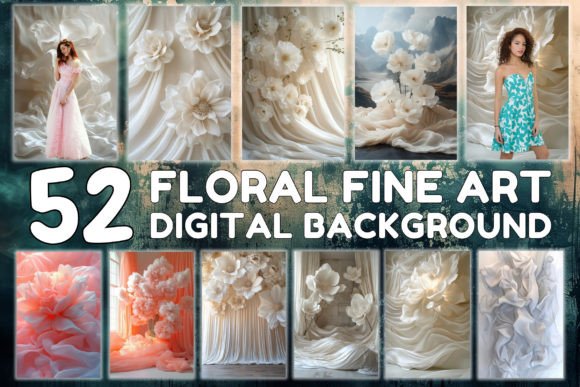
Every photographer, designer, and content creator hits a point where a raw image just doesn't feel finished. You have a great subject, solid lighting, and good composition, but the final piece lacks that polished, gallery-worthy depth. This is where Floral Fine Art Digital Backgrounds come in. They are not just simple patterns; they are high-resolution textured backdrops designed to infuse your work with the rich, layered aesthetic of classic fine art.
This collection provides 52 distinct textures, each at a generous 3333x5000 pixels and 300dpi. That resolution is critical. It means you can use these backdrops for everything from small social media graphics to large-scale print projects without worrying about pixelation. Delivered via a simple PDF with an instant download link, these assets are ready to integrate into your workflow immediately.
The Visual Character: More Than Just a Background
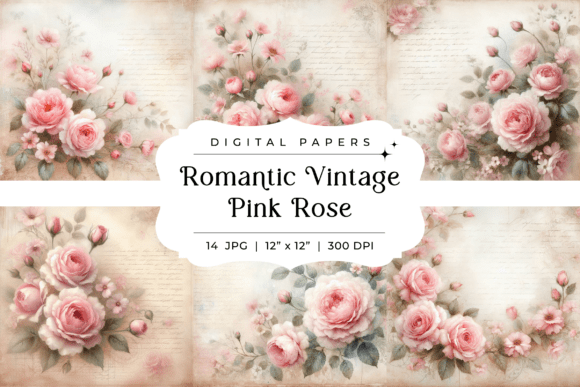
When we talk about "fine art" textures, we are referring to a specific visual personality. These aren't the flat, geometric patterns of modern web design. Instead, think of the tactile quality of canvas, the subtle imperfections of aged paper, and the organic beauty of floral elements. The style is romantic, organic, and painterly. It evokes a sense of timelessness and elegance.
The visual weight of these backgrounds is significant. They don't just sit behind your subject; they interact with it. A portrait placed over one of these textures immediately gains a sense of depth and story. The subtle color variations and soft edges help to soften digital sharpness, giving your digital work an analog soul. For anyone looking to create a cohesive brand identity that feels warm, artistic, and human, these textures provide a foundational element that is hard to replicate with standard design assets.
Practical Applications: Where Art Meets Utility
Understanding where these textures excel is key to getting the most out of them. Their utility spans a surprising range of projects, each benefiting from the fine art aesthetic.
Elevating Photography and Digital Art
This is the most direct application. For composite photography, these backdrops are invaluable. They allow you to place a subject into a completely new, artistic environment. But their use extends beyond composites. They are perfect for creating unique borders for prints, adding texture to flat-lay product photography, or serving as the base for digital invitations and announcements. The 3:2 aspect ratio is particularly well-suited for standard photo prints, making them a practical choice for professional photographers.
Strengthening Brand and Marketing Materials
For small business owners, entrepreneurs, and marketers, visual consistency is everything. These floral backgrounds can become a core part of your visual toolkit. Use them to create a series of cohesive social media graphics, design elegant website headers, or produce beautiful lookbooks and catalogs. For a business in the wedding, beauty, or lifestyle space, these textures instantly communicate a brand personality that is sophisticated and detail-oriented. They help build recognition by providing a consistent, beautiful backdrop for your messaging.
Enhancing Print and Packaging Design
In the world of packaging and editorial design, texture is a powerful tool. A premium font paired with one of these subtle floral textures on a book cover or a product box can elevate the perceived value of the entire item. They work beautifully as background layers for business cards, stationery, or thank-you notes, adding a tactile quality that flat colors cannot achieve. The high resolution ensures that even on printed materials, the details remain crisp and impactful.
A Guide to Effective Use and Integration
Simply placing a subject on top of a texture is rarely enough. The real skill lies in integration. Here is some practical guidance for working with these assets effectively.
- Master Blending Modes: This is non-negotiable. In Adobe Photoshop or other editors, blending modes like Multiply, Screen, Overlay, and Soft Light are your best friends. They allow the texture and your subject to interact, letting details from the background show through in a natural, artistic way. Experimentation is key.
- Adjust Opacity and Color: The included textures have their own color palette. Don't be afraid to adjust their hue, saturation, and lightness to match your project's color scheme. Lowering the opacity can also help the texture recede, allowing your subject or typography to remain the clear focal point.
- Consider Readability: If you are overlaying text, especially a sans serif font or a script font, readability is paramount. Busy textures can compete with letterforms. Use techniques like adding a solid color layer with low opacity between the text and the texture, or applying a subtle blur to the background area behind the text to ensure it remains legible.
- Think About Pairings: The organic nature of these backgrounds pairs beautifully with certain typography. A classic serif font for headlines can feel timeless and elegant. A clean sans serif font can provide a modern counterpoint. A flowing script font can enhance the romantic feel. The goal is to create a harmonious visual hierarchy where the texture supports the message, not overshadows it.
Ultimately, these Floral Fine Art Digital Backgrounds are more than just files; they are a toolkit for transformation. They provide a shortcut to achieving a level of visual polish and artistic depth that can significantly enhance your creative and commercial projects. By understanding their character and learning how to integrate them thoughtfully, you can turn ordinary images into captivating works of art.