Mad Wasteland Backgrounds: A Designer's Guide to Dystopian Atmosphere
In the realm of digital art and concept design, establishing a powerful sense of place is half the battle. A character sketch floating in a white void tells a partial story. But place that same warrior against a backdrop of cracked earth, rusted metal structures, and a hazy, oppressive sky, and you’ve built a world. This is the core function of a robust set of Mad Wasteland Backgrounds. It’s more than a collection of images; it’s a toolkit for crafting narrative, mood, and immediate visual impact in any project that needs a gritty, post-apocalyptic edge.
Visual DNA: Deconstructing the Wasteland Aesthetic
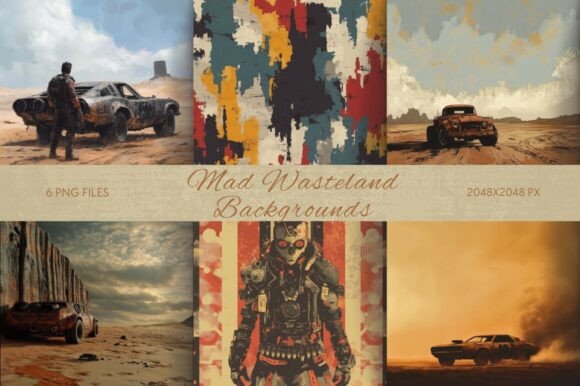
What exactly defines the visual language of this set? It’s a deliberate fusion of environmental hostility and the faint, stubborn traces of a forgotten civilization. The palette leans into desaturated earth tones—dusty ochres, bleached grays, and the deep, oxidized reds of decaying metal. These aren’t the vibrant oranges of a scenic desert sunset; they’re the muted, sun-baked hues of a landscape stripped of life and softness. The atmosphere is one of intense heat haze, swirling dust particles, and a sky that feels more like a lid than an expanse.
The personality of these backgrounds is unapologetically raw and confrontational. They speak of chaos, survival, and a future where nature is reasserting its dominance over crumbling infrastructure. You’ll find compositions that feature vast, empty expanses punctuated by jagged ruins, derelict vehicles half-buried in sand, and the skeletal remains of communication towers. The style is less about photorealistic detail and more about evocative texture and scale. The visual hierarchy in each scene is built through dramatic lighting—long, stark shadows cast by a low-hanging sun—and layered atmospheric effects that create a compelling sense of depth and distance. This makes them a perfect fit for projects that need to convey intensity, danger, and a certain brutalist beauty.
Strategic Applications: Where These Backgrounds Forge Impact
Understanding a design asset’s strengths is key to deploying it effectively. The applications for Mad Wasteland Backgrounds extend far beyond personal digital painting practice. For professionals, they become a strategic component of a larger creative vision.
Digital Art & Concept Design: This is their native environment. Illustrators and concept artists can use them to rapidly establish mood for character designs, vehicle concepts, or environment studies. Instead of spending hours building a background from scratch, you can focus your energy on the foreground subject, knowing the stage is already set with the right emotional tone.
Brand Identity & Marketing: For certain brands, a dystopian vibe isn’t just an aesthetic—it’s a core part of their identity. Think of gaming studios, extreme sports companies, survival gear manufacturers, or bands in the metal and industrial genres. Using these backgrounds in website hero images, social media banners, or marketing collateral can instantly communicate a brand’s rugged, anti-establishment, or resilient personality. It’s a powerful tool for visual storytelling that cuts through generic corporate imagery.
Publishing & Editorial Design: Book cover designers for sci-fi, thriller, or dystopian fiction will find immense value here. A compelling background can set the entire tone for a novel, attracting the right readership at a glance. Similarly, magazine articles about futurism, survivalism, or post-apocalyptic themes in gaming or film can use these assets to create immersive layouts that pull the reader into the story.
Social Media Graphics & Content Creation: In the fast-scrolling world of social media, arresting visuals are non-negotiable. These backgrounds provide a dynamic foundation for quote graphics, announcement posts, podcast cover art, or video thumbnails. They offer a level of professionalism and thematic consistency that generic stock photos cannot match, helping creators in niche markets build a recognizable and engaging feed.
Practical Integration: A Designer’s Checklist
Adopting a new set of design assets requires a thoughtful approach. Here’s how to evaluate and integrate Mad Wasteland Backgrounds into your workflow effectively.
Evaluate Project Fit: Before diving in, ask yourself: does the tone of my project align with a gritty, chaotic, and intense atmosphere? These backgrounds are a specific tool for a specific job. They excel in contexts where you want to evoke tension, resilience, or a sense of epic struggle. They may not be the right choice for a lighthearted children’s brand or a serene wellness blog.
Test Compositions and Foregrounds: The true test of a background is how it interacts with your primary subject. Load a few of the backgrounds into your design software and place your key elements—be it a character, a product, or typography—on top. Pay attention to contrast, lighting direction, and visual weight. A busy background might require a subject with a strong silhouette or a solid color block behind the text to ensure legibility and maintain a clear visual hierarchy.
Font Pairing and Typography: Your choice of typeface will significantly influence the final message. Pairing these backgrounds with a clean, modern sans serif font can create a stark, technological contrast, suggesting advanced tech in a broken world. Using a rugged, distressed serif font can enhance the traditional, almost historical feel of the ruins. For a more personal, handwritten logbook effect, a textured script font could be compelling. The key is to ensure the typography complements the background’s energy without competing with it for attention.
Leverage for Consistency: One of the greatest strengths of a cohesive background set is the ability to build a consistent brand identity across multiple touchpoints. Using different scenes from the same collection for a website, social media, and print materials creates a unified visual language that strengthens brand recognition and professionalism.
Understand the Licensing: Always review the commercial license provided with the assets. This is crucial for any professional work, whether it’s for a client, your own business, or products for sale. Knowing the terms ensures you can use these powerful design assets with confidence in all your commercial projects, from packaging design for a limited-edition product to the backdrop for a client’s logo design presentation.
In the end, a set like Mad Wasteland Backgrounds is more than just decorative filler. It’s a foundational element for world-building. It provides the context, the emotion, and the narrative springboard that allows your main creative work to resonate more deeply. By choosing the right background for the right project and integrating it with thoughtful design choices, you transform a simple image into a powerful piece of communication.