Wood Wall Texture Backgrounds: A Designer's Best Friend
What Exactly Is This Digital Wood Texture?
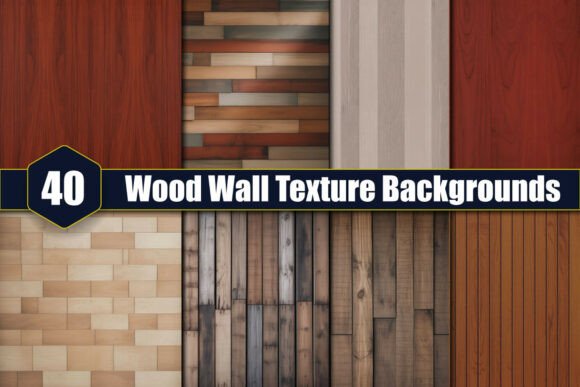
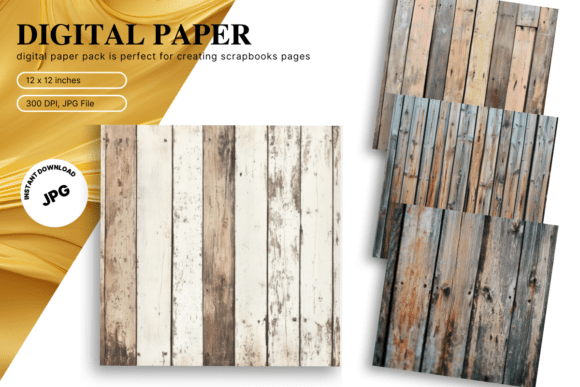
When you download a Wood Wall Texture Backgrounds Wooden set, you're getting a collection of high-resolution, 300 DPI JPG files designed to mimic the natural grain, knots, and color variations of real wood planks. These aren't just simple, flat colors; they're detailed scans or digital renderings that capture the warmth, character, and rustic charm of aged timber, smooth oak, or weathered barn wood. The visual personality is inherently organic, earthy, and inviting. It feels authentic and tactile, adding a layer of depth and story that a solid color simply can't provide.
The appeal of this type of design asset lies in its versatility. It’s a premium texture that can serve as a foundational element for a huge range of projects. Think of it as a neutral yet impactful canvas. Whether you need a cozy background for a recipe blog, a rustic backdrop for product photography, or a textured layer for a brand’s social media graphics, this resource delivers. The included 12" x 12" sheet size is a standard for digital scrapbooking and crafting, but as the files note, you can easily adjust the size for any application, from a small website icon to a large-format print.
Practical Applications Across Your Creative Projects
So, where does this wood texture truly shine? Its strength is in adding an instant sense of warmth, craftsmanship, and authenticity. Here’s how you can put it to work:
- For Brand Identity & Marketing: Use it as a background for your logo design on a business card, a header image for your website, or the foundation of your packaging design. It’s perfect for brands in the artisanal, outdoor, home décor, or food & beverage spaces. It communicates reliability, tradition, and a hands-on quality.
- In Digital & Editorial Design: Bloggers and content creators can use it to frame text, create featured images, or design eye-catching social media graphics. For publishers, it works beautifully as a textured background in editorial design, especially for magazines or books focusing on nature, DIY, or lifestyle topics.
- Crafting & Personal Projects: This is where the digital paper format excels. Print it out for physical scrapbooking, use it as custom wrapping paper, or create unique stationery. The high-quality print ensures your handmade projects look professional.
- Sublimation & Print-on-Demand: As a 300 DPI file, it's ready for sublimation printing onto mugs, coasters, or t-shirts. The texture adds a fantastic, realistic feel to physical products.
Making It Work: Pairing and Practical Tips
Choosing the right font pairing is crucial when using a textured background like this. The wood’s detail can compete with overly ornate or thin typefaces. For optimal readability and a clean visual hierarchy, consider these combinations:
- Sans Serif Fonts: A clean, geometric sans serif font (like Futura, Helvetica, or a modern alternative) provides excellent contrast. The simplicity of the letterforms allows the texture to breathe while keeping your message clear and contemporary.
- Slab Serif Fonts: For a more grounded, sturdy feel that matches the wood’s character, a slab serif font (like Rockwell or Clarendon) works well. It echoes the solidity of the material.
- Script or Handwritten Fonts: Use these sparingly for headlines or accents. A script font or handwritten font can add a personal, artisan touch, but ensure it’s legible against the grain. Always test it at the final size.
Remember the note about color variation: the way this texture appears on your screen might differ slightly when printed. Always do a small test print on your intended substrate, whether it’s photo paper, cardstock, or fabric. This ensures the warmth and tone match your vision. When building a brand identity, consistency is key, so once you settle on a specific wood texture, use it uniformly across all touchpoints to strengthen brand recognition.
Ultimately, this isn't just a creative font or a single design element; it's a versatile design asset. It’s a tool that helps you tell a story, set a mood, and connect with an audience that appreciates quality and authenticity. By understanding its characteristics and applying it thoughtfully, you can elevate your projects from simple to standout.